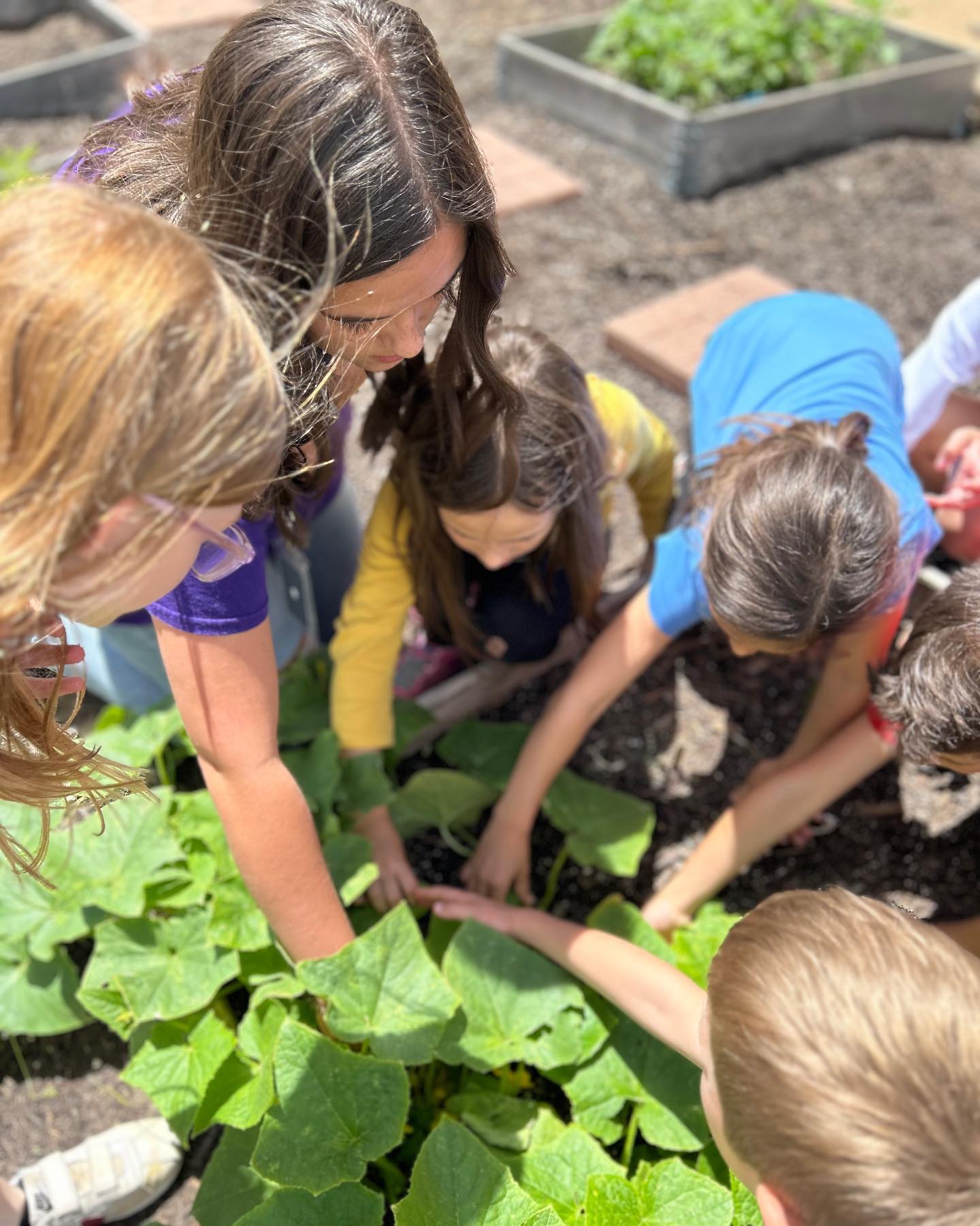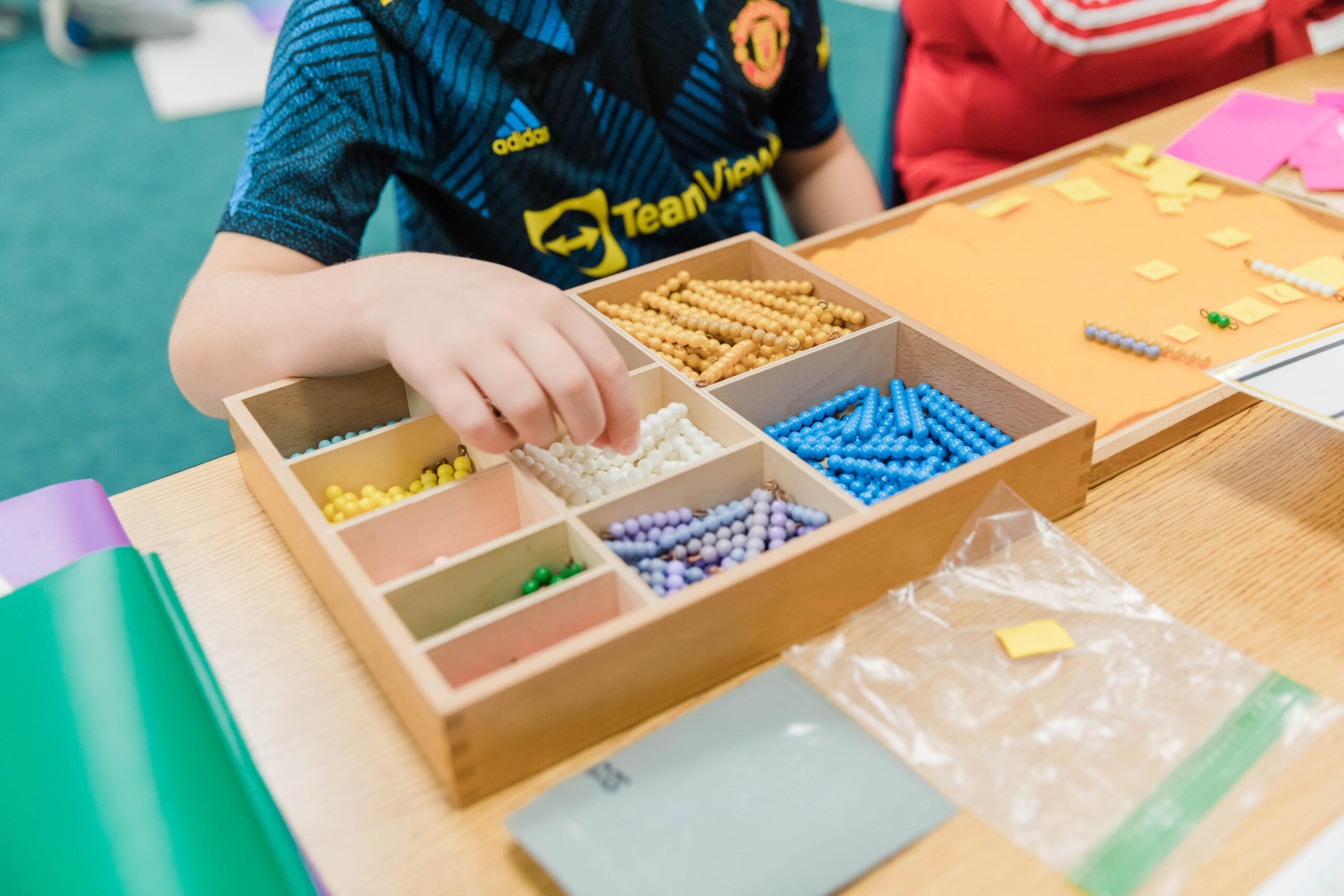
Based on the research of Italian physician and educator Dr. Maria Montessori, the Montessori education philosophy emphasizes independence, freedom within limits and respect for the child. Classroom spaces are purposefully designed and filled with carefully-curated materials that promote an educational partnership.
Due to the thoughtful and specific nature of the Montessori method, our teachers must participate in extensive training sessions and complete their Montessori certification. Teachers are integral to the success of the Montessori method.
To learn why Montessori is Priceless read this article. We would love to talk to you about our educational approach, including the research that supports it, and how we might be able to meet the educational needs of your child. Contact us today!
Below, you’ll find answers to some of the most frequently asked questions we receive related to the Montessori method.
What is the difference between Montessori education and traditional education?
For children six and under, the Montessori method emphasizes learning through all five senses, rather than just through listening, watching or reading. Children in Montessori classrooms learn at their own individual pace and according to their own choice of activities. They are not required to sit and listen to a teacher talk to them as a group; instead, they are engaged in individual or group activities with materials that have been introduced to them 1:1 based on their teacher’s assessment of what they’re ready to do. Learning is an exciting process of discovery, leading to concentration, motivation, self-discipline and a love of learning even more.
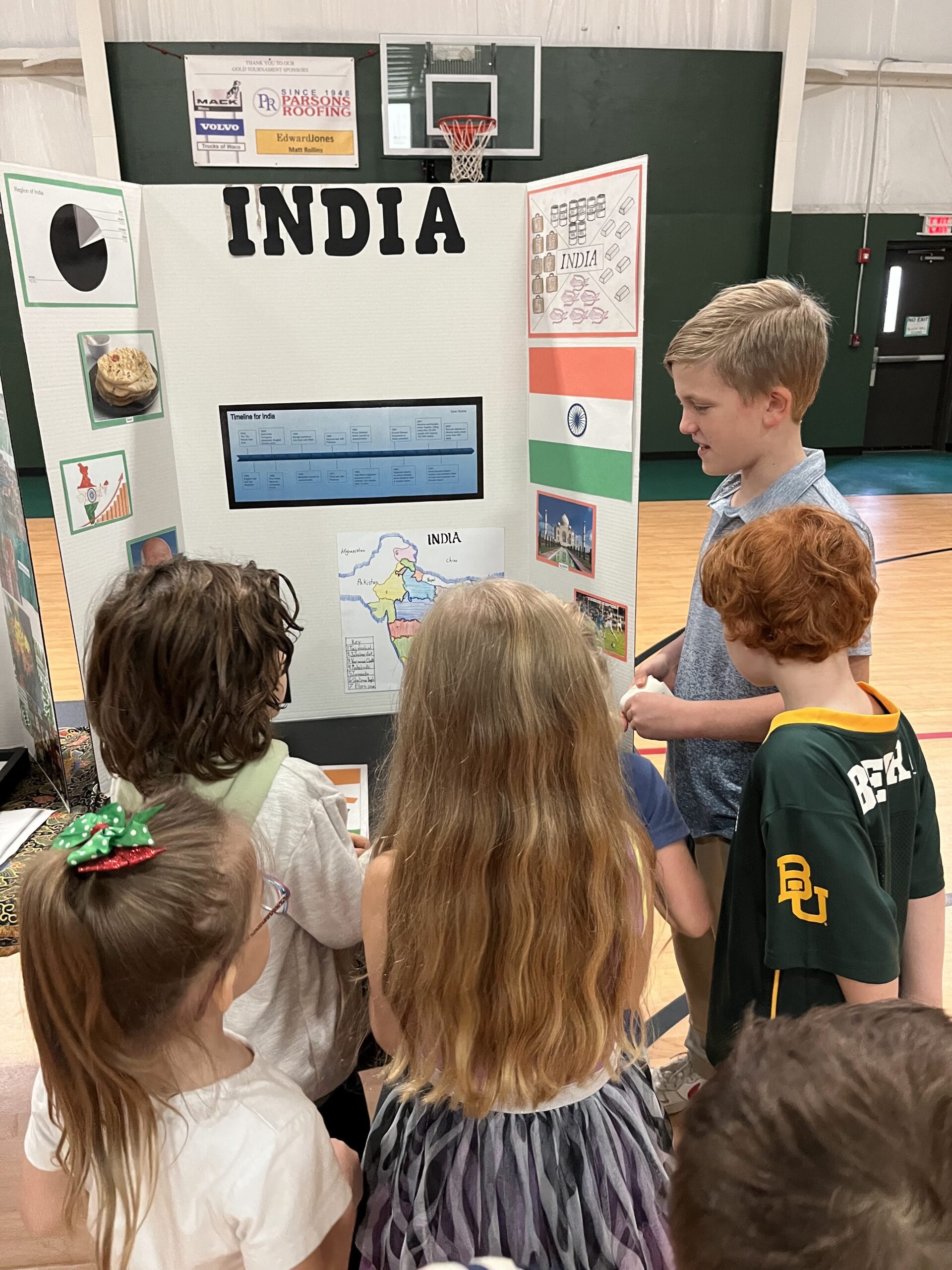
Above the age of six, children in Montessori classrooms learn to do independent research, participate in field trips, interview specialists, create group presentations, dramas, art exhibits, musical productions, science projects and more. There is no limit to what they can create in this type of intelligently-guided freedom. There are no textbooks or adult-directed group lessons following a daily schedule. There is great respect for the choices of the children, and they easily keep up with, if not surpass, what they would be doing in a more traditional setting. There is no wasted time because children enjoy their work, often asking each other for lessons. Much of their learning comes from sharing and inspiring each other, rather than competing with each other.
Why does Montessori have multi-age classrooms?
Multi-age classrooms afford us the luxury of adapting the curriculum to the individual child. Each child can work at his or her own pace while also remaining in community with his or her peers. In addition, the multi-age format allows all older children to be the leaders of the classroom community—even those children who may typically be described as shy or quiet.
Are Montessori children successful later in life?
Research indicates that Montessori children are well-prepared academically, socially and emotionally. In addition to scoring well on standardized tests, Montessori children are ranked above average on criteria such as following directions, turning in work on time, listening attentively, using basic skills, showing responsibility, asking provocative questions, showing enthusiasm for learning and adapting to new situations.
Are Montessori children able to transition to traditional classrooms?
While all children respond to transitions differently, the simple answer is that your child will do just fine. From the earliest ages, Montessori schools focus on helping children develop a high degree of self-motivation, coping skills for dealing with new situations and a strong sense of respect and responsibility, all skills that will serve them well in a more traditional school setting. A more detailed answer to this question can be found here.